Universal menu

  • Global
  • Regions
    • Africa
    • Americas and the Caribbean
    • Arab States
    • Asia and the Pacific
    • Europe and Central Asia
  • Knowledge
  • Data
  • Training
  • Transparency
UN Women - For all women and girls

Main Navigation-HQ

  • Who we are
    • About us
      • About UN Women
      • Business model
      • Guiding documents
      • Worldwide presence
    • Leadership
      • Governance structure
      • Executive leadership
      • Executive Board
      • Accountability
    • Work with us
      • Employment
      • Procurement
      • Calls for proposals
      • Contact us
      • UN Women Strategic Plan 2026–2029
      • UN Women Strategic Plan 2026–2029 - social media image
        UN Women Strategic Plan 2026–2029
  • What we do
    • Focus areas
      • Ending violence against women
      • Peace and security
      • Humanitarian action
      • Leadership and governance
      • Economic empowerment
      • Innovation and technology
      • Women with disabilities
      • Youth
      • HIV and AIDS
    • How we work
      • 2030 Agenda for Sustainable Development
      • Commission on the Status of Women
      • Gender parity in the UN system
      • Intergovernmental support
      • Partnerships
      • Research and data
      • Training Centre
      • Trust funds
      • UN system coordination
      • Gender Equality Accelerators
      • Gender Equality Accelerators artwork
        Gender Equality Accelerators
  • News and stories
    • Latest
      • News
      • Articles and explainers
      • In focus
    • Media center
      • Press materials
      • Media contacts
      • Explainer: Why are women so exhausted? Care work and the mental load
      • Two adults stand at a table changing diapers on baby dolls, with laundry hanging on a clothesline behind them in a home setting.
        Explainer: Why are women so exhausted? Care work and the mental load
      • Press release: Aid cuts dismantle women’s organizations working in humanitarian crises
      • A young Ugandan woman sits with another local woman to talk
        Press release: Aid cuts dismantle women’s organizations working in humanitarian crises
  • Digital library
    • Resources
      • Publications
      • Annual reports
      • Gender snapshot
      • Progress of the world’s women
      • World survey on the role of women in development
    • GenderTerm
      • GenderTerm
      • Reprint permissions
      • UN Women Highlights 2025–2026
      • A smiling woman.
        UN Women Highlights 2025–2026
      • Gender snapshot 2026
      • A diverse group of people represented as simplified silhouettes, arranged against a dark blue background.
        Gender snapshot 2026
  • Get involved
    • How to get involved
      • For ALL Women and Girls
      • International Women's Day
      • 16 Days of Activism to End Violence against Women and Girls
      • UNiTE! Campaign to End Violence against Women
      • Generation Equality
      • He for She
Ask AI
https://84e5cfacd5c7e99f9825edf344450c.1b.environment.api.powerplatform.com/powervirtualagents/botsbyschema/crad4_websiteQA/directline/token?api-version=2022-03-01-preview
1
-
Ask your question here
AI website assistant

Hello, how can I assist you?

AI chatbot responses may be incorrect. Always verify important information.

Donate button menu

Donate

Breadcrumb

  1. Home
  2. What We Do
  3. Ending Violence Against Women

Website survey

We want to know how we can improve your experience on this website. Completing this survey takes less than 5 minutes.

TAKE THE SURVEY

Breadcrumb

  1. Home
  2. What We Do
  3. Ending Violence Against Women

ACT to End Violence against Women
  • Share to Facebook
  • Share to Twitter
  • Share to LinkedIn
  • Share to E-mail
Image
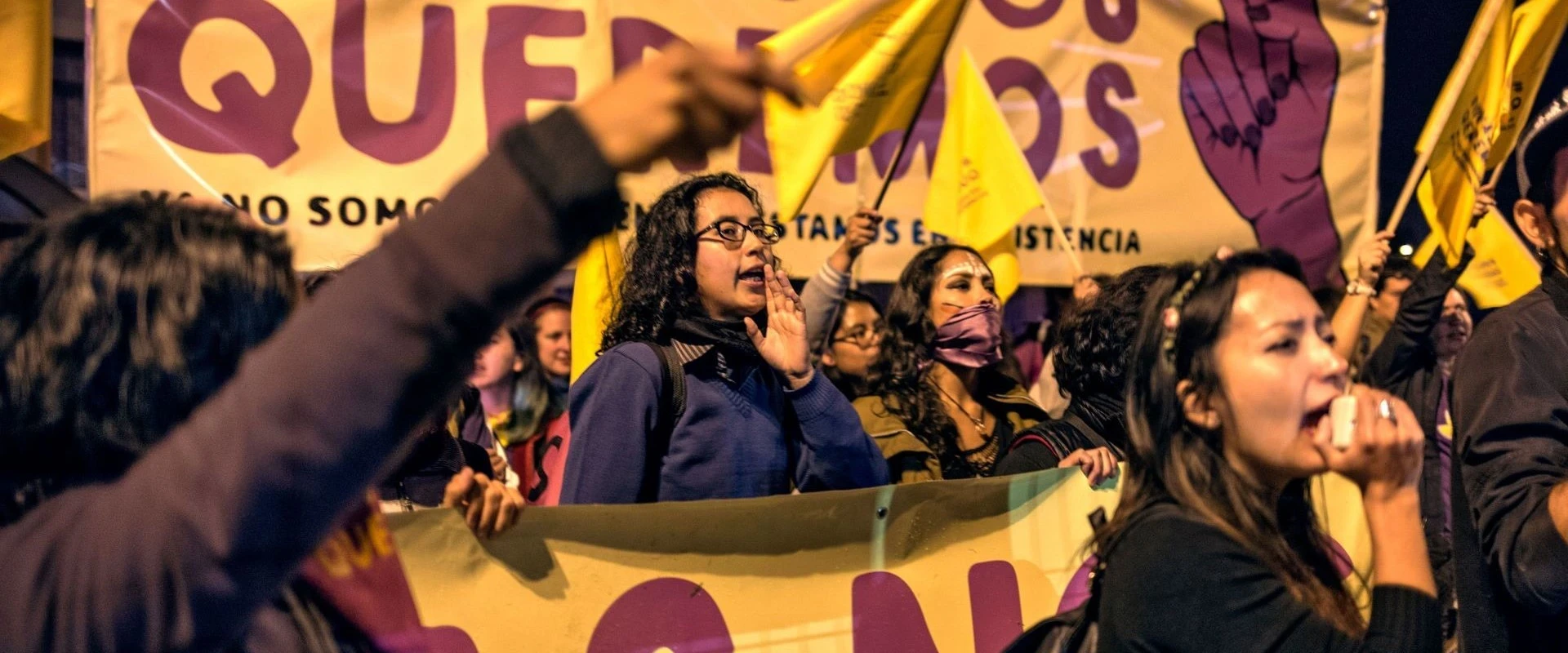
UN Women/Martin Jaramillo.
Photo: UN Women/Martin Jaramillo.

Violence against women and girls is the most pervasive human rights violation worldwide. 

Nearly 30 years since the adoption of the Beijing Platform for Action, and despite concerted efforts by UN Member States, levels of violence against women have remained largely unchanged. The world is failing to eliminate violence against women.

Global emergencies, crises, and conflict have intensified the drivers and risk factors of violence against women and girls. Digitalization and technology have exacerbated existing forms of violence and led to the development of new forms.

However, there is more evidence than ever before showing that violence against women and girls is preventable. The presence of a strong and autonomous feminist movement is the single most critical factor to drive policy change in ending violence against women.

ACT to End Violence Against Women aims to accelerate efforts to eliminate all forms of violence against women through Advocacy, Coalition Building, and Transformative Feminist Action (ACT). 

ACT is a new game-changing commitment between the European Commission and UN Women as co-leaders of the Action Coalition on Gender Based Violence (GBV), in collaboration with the UN Trust Fund to End Violence against Women. Through direct investments in feminist movements, strengthening intersectional alliances, and coordinating a shared advocacy agenda, ACT will amplify women’s rights movements as they coordinate their push for justice. 

In the current context of pushback on gender equality and the rise in anti-rights movements, ACT will seek to create greater solidarity within the global movement to end violence against women.

ACT will initially be rolled out in two regions: Africa and Latin America. It will also work at the global level to elevate women’s rights movements advocacy priorities at international forums and to strengthen cross-regional networking, learning and strategizing. 

To read more about ACT, download the programme brochure here.

1 in 3 women globally have been subjected to physical or sexual violence at least once in their life.
1 in 3

1 in 3 women globally have been subjected to physical or sexual violence at least once in their life

86% of women and girls are living in countries without robust legal protection from violence and discrimination. Only 0.2 % of overall aid and development spending was invested in gender-based violence prevention.
86%

86% of women and girls are living in countries without robust legal protection from violence and discrimination.

Only 5% of official development assistance was allocated to civil society organizations in developing countries.
5%

Only 5% of official development assistance on GBV, on average, is being allocated to civil society organizations in developing countries.

ACT Global Civil Society Steering Committee

The ACT Global Civil Society Steering Committee is composed of 16 women’s rights experts and activists working on ending violence against women from a diversity of perspectives and regions. The role of the steering committee is to ensure continuous alignment with the strategic priorities and needs of women’s rights movements and advise on the overall strategic direction of the ACT programme.

Partners

Under the ACT to End Violence Against Women programme, strategic partnerships have been developed with women’s rights organizations, coalitions and networks, and academic and research institutes at the global and regional levels. These partners work across diverse focus areas, from addressing technology-facilitated gender-based violence to championing the rights of marginalized groups, and play a critical role in driving transformative change.

ACT joint statement for UNGA80

The ACT Global Civil Society Steering Committee has issued a joint statement ahead of the 80th session of the UN General Assembly (UNGA80) emphasizing the need for bold and transformative investments in ending violence against women and girls (VAWG). In summary, the statement calls for:

  • The adoption of a whole-of-government approach to end violence against women by implementing fully costed, evidence-based, multisectoral, and intersectional national action plans.
  • Sustained and increased dedicated funding for ending VAWG through official development assistance to ensure continuity of life-saving services and prevention interventions.
  • Increased direct investments in sustained, long-term, and flexible funding for women’s rights organizations and feminist movements, including those working in crisis and conflict and post-conflict areas.
  • The adoption, implementation, enforcement, and funding of comprehensive, evidence-based laws and policies to end VAWG, in line with global standards such as the Beijing Platform for Action.
  • Increased investment in evidence, research, and field building to strengthen evidence-based approaches and ensure that prevention and response to VAWG is sustainable and scalable.

Read the full text of the joint statement and show your support by filling in this form to endorse and add your name to the ACT joint statement.

Image
UNW-EU lockup

Read more about ending violence against women

4

6
Image
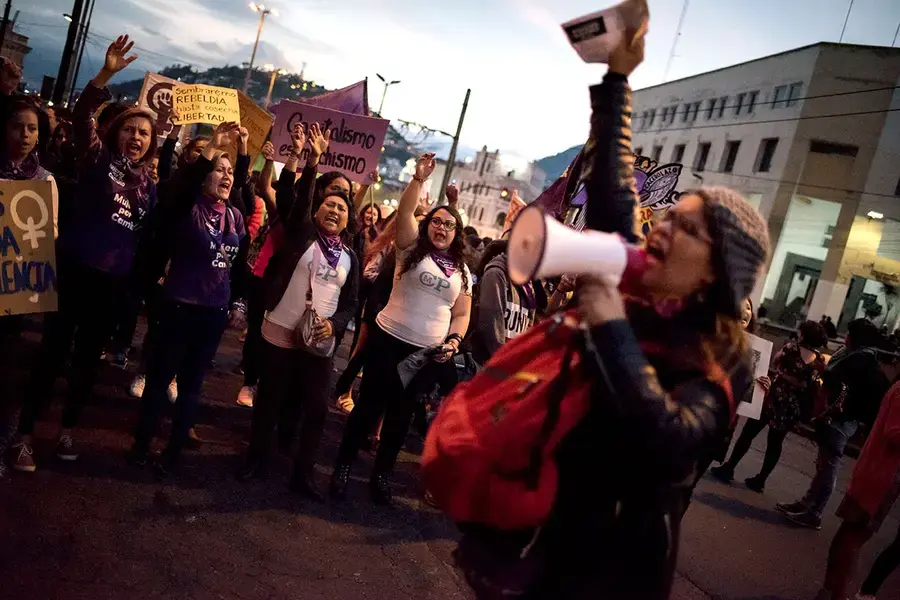
Activists, social leaders, and other rights defenders shout slogans against gender-based violence during a march in Ecuador.
Explainer
How women human rights defenders are under threat worldwide
Image
four facts on why funding womens orgs prevents violence thumbnaiil
Explainer
How funding women’s organizations prevents violence against women
Image
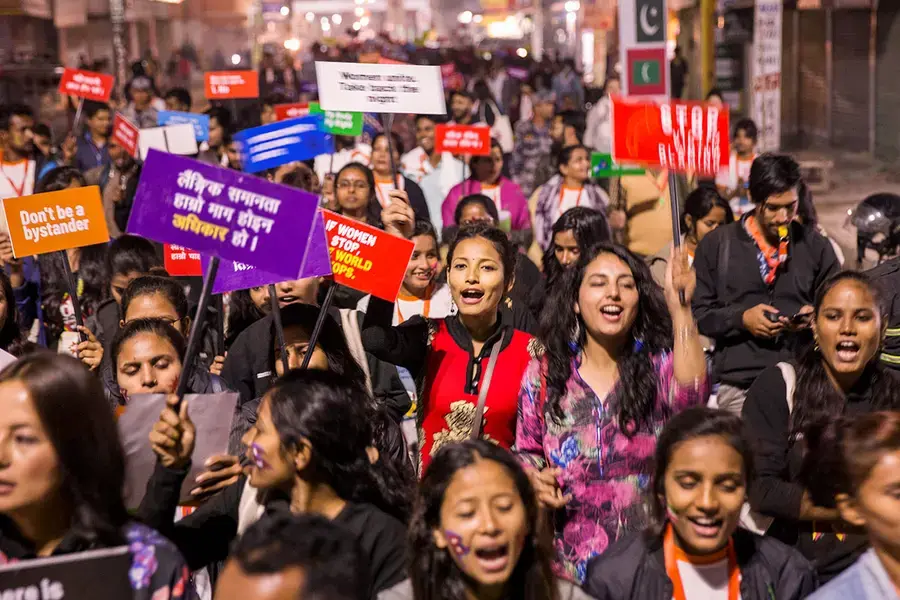
Cientos de personas se congregan en Janakpur (Nepal), en 2019 para participar en una marcha y cantar consignas con el fin de llamar la atención sobre la necesidad de reclamar derechos de las mujeres y acceso a espacios públicos seguros.
Feature
Less than 1 per cent of aid spending targets gender-based violence, according to new reports
Image
gender responsive budgeting explainer
Explainer
What is gender-responsive budgeting?
Image
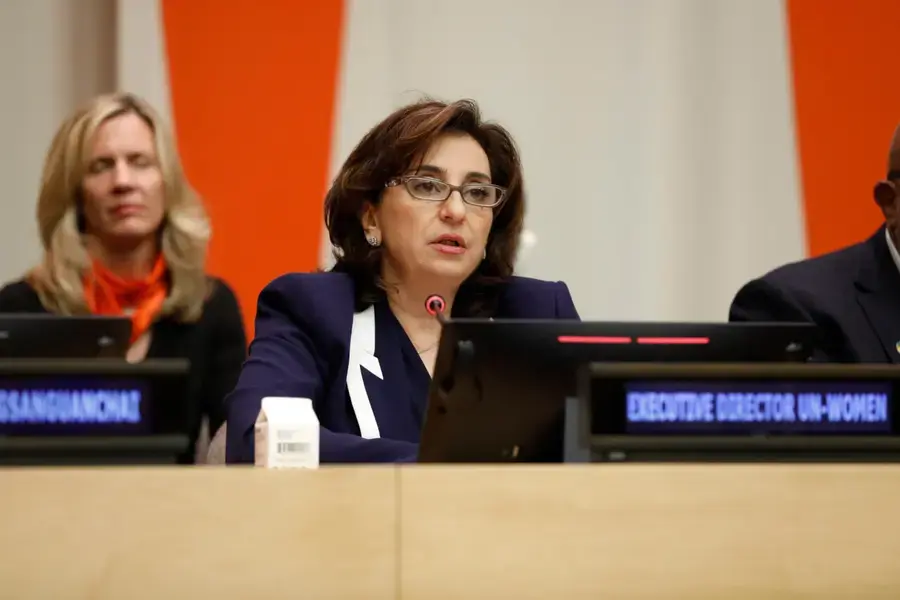
executive-director-sima-bahous-addresses-commemoration-of-international-day-for-the-elimination-of-violence-against-women-2023-11-22.jpg
Speech
Time to get serious about ending violence, allocating serious resources
Image
UN Women logo
Press release
UN Women calls for bold investments to end violence against women in light of new report showing prevention is severely underfunded

Footer menu-HQ

  • News and stories
  • Resources
  • What we do
  • How we work
  • Where we are
  • Partnerships
  • Employment
  • Procurement
  • Contact us
  • Executive Board
  • Commission on the Status of Women

Donate button menu [Footer tablet]

  • Donate

Donate button menu [Footer]

  • Donate

Social media menu

  • Facebook
  • Twitter
  • LinkedIn
  • Flickr
  • YouTube
  • Instagram
UN Women - For all women and girls

Footer bottom [Menu]

  • Copyright
  • Information security
  • Privacy notice
  • Report wrongdoing
  • Terms of use
Share this page
  • Share to Facebook
  • Share to Twitter
  • Share to LinkedIn
  • Share to E-mail

Or copy link