
Universal menu

  • Global
  • Regions
    • Africa
    • Americas and the Caribbean
    • Arab States
    • Asia and the Pacific
    • Europe and Central Asia
  • Knowledge
  • Data
  • Training
  • Transparency
UN Women - For all women and girls

Main Navigation-HQ

  • Who we are
    • About us
      • About UN Women
      • Business model
      • Guiding documents
      • Worldwide presence
    • Leadership
      • Governance structure
      • Executive leadership
      • Executive Board
      • Accountability
    • Work with us
      • Employment
      • Procurement
      • Calls for proposals
      • Contact us
      • UN Women Strategic Plan 2026–2029
      • UN Women Strategic Plan 2026–2029 - social media image
        UN Women Strategic Plan 2026–2029
  • What we do
    • Focus areas
      • Ending violence against women
      • Peace and security
      • Humanitarian action
      • Leadership and governance
      • Economic empowerment
      • Innovation and technology
      • Women with disabilities
      • Youth
      • HIV and AIDS
    • How we work
      • 2030 Agenda for Sustainable Development
      • Commission on the Status of Women
      • Gender parity in the UN system
      • Intergovernmental support
      • Partnerships
      • Research and data
      • Training Centre
      • Trust funds
      • UN system coordination
      • Gender Equality Accelerators
      • Gender Equality Accelerators artwork
        Gender Equality Accelerators
  • News and stories
    • Latest
      • News
      • Articles and explainers
      • In focus
    • Media center
      • Press materials
      • Media contacts
      • Explainer: Why are women so exhausted? Care work and the mental load
      • Two adults stand at a table changing diapers on baby dolls, with laundry hanging on a clothesline behind them in a home setting.
        Explainer: Why are women so exhausted? Care work and the mental load
      • Press release: Aid cuts dismantle women’s organizations working in humanitarian crises
      • A young Ugandan woman sits with another local woman to talk
        Press release: Aid cuts dismantle women’s organizations working in humanitarian crises
  • Digital library
    • Resources
      • Publications
      • Annual reports
      • Gender snapshot
      • Progress of the world’s women
      • World survey on the role of women in development
    • GenderTerm
      • GenderTerm
      • Reprint permissions
      • UN Women Highlights 2025–2026
      • A smiling woman.
        UN Women Highlights 2025–2026
      • Gender snapshot 2026
      • A diverse group of people represented as simplified silhouettes, arranged against a dark blue background.
        Gender snapshot 2026
  • Get involved
    • How to get involved
      • For ALL Women and Girls
      • International Women's Day
      • 16 Days of Activism to End Violence against Women and Girls
      • UNiTE! Campaign to End Violence against Women
      • Generation Equality
      • He for She
Ask AI
https://84e5cfacd5c7e99f9825edf344450c.1b.environment.api.powerplatform.com/powervirtualagents/botsbyschema/crad4_websiteQA/directline/token?api-version=2022-03-01-preview
1
-
Ask your question here
AI website assistant

Hello, how can I assist you?

AI chatbot responses may be incorrect. Always verify important information.

Donate button menu

Donate

Breadcrumb

  1. Home
  2. News and stories
  3. Take five

Website survey

We want to know how we can improve your experience on this website. Completing this survey takes less than 5 minutes.

TAKE THE SURVEY

Take five: “The justice system must be responsive to persons with disabilities.”
1 December 2021
  • Share to Facebook
  • Share to Twitter
  • Share to LinkedIn
  • Share to E-mail
Image
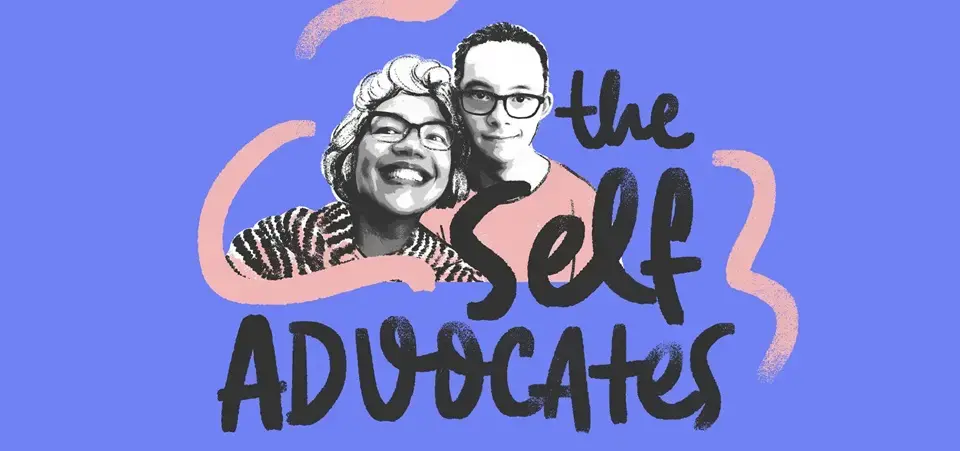
Dewi Tjakrawinata, Indonesian advocate for rights of people with disabilities, poses with her son, Morgan. Illustration courtesy of Dewi Tjakrawinata and Oxfam
Dewi Tjakrawinata, Indonesian advocate for rights of people with disabilities, with her son, Morgan. Illustration courtesy of Dewi Tjakrawinata and Oxfam

Originally published on UN Women's regional website for Asia and the Pacific.

Dewi Tjakrawinata is the co-founder of YAPESDI (Yayasan Peduli Sindroma Down Indonesia, or Down Syndrome Care Foundation Indonesia), a Jakarta-based non-profit organization that empowers youths with intellectual disabilities to become self-advocates. To mark 16 Days of Activism, UN Women’s Access to Justice team spoke to Dewi about ending impunity for sexual violence against women with intellectual and psychosocial disabilities.

Why is it important to highlight justice for women with intellectual and psychosocial disabilities?

Let me share a story:

A man raped a woman with an intellectual disability in Indonesia, resulting in pregnancy and incarceration of the woman for having premarital sex with her rapist. A determining factor to incarcerate her, for the justice sector, was when police asked if she liked the man who raped her, she said ‘yes’.

Women with intellectual disabilities experience disproportionately higher rates of sexual and gender-based violence. Most perpetrators are people they know and trust – someone within the family, their support network, or the community. Survivors are often treated by authorities as unable to understand sexual violence, or their recollection is questioned due to their disability.

Why is justice not being served?

Firstly, the criminal code does not recognize the legal capacity of persons with intellectual and psychosocial disabilities. Without legal capacity, women are unable to independently report instances of sexual and gender-based violence, and their testimony is treated as non-credible. Women who are institutionalized face additional obstacles as they are isolated from their families, and support networks have limited access.

Secondly, by treating them as asexual, society has made them more vulnerable to sexual predators, and limited access to information about sexual and reproductive health and rights. These women, like you and I, experience a full range of emotions – they are not asexual. They need information about their bodies and relationships so they can make informed decisions, and raise alarms when their safety is threatened.

Thirdly, it is wrong to assume that they are unable to learn and grow. Often they face difficulties communicating, which is misinterpreted as a deficit. For example, people with Down syndrome need speech therapy or risk becoming mute, further marginalized, and more vulnerable. Where do you turn to if you are a mute woman experiencing sexual violence with no recognized legal capacity? This is scary.

How can access to justice be improved?

There is a positive movement towards amending discriminatory laws. We, together with other groups, are jointly advocating for amendments to the criminal code. Legislative change is slow, but our message has been amplified through alliances.

Additionally, the justice system must be responsive to persons with disabilities. For example, persons with intellectual disabilities struggle to think abstractly, so information about legal processes and judicial rights must be presented in a format they can understand. Likewise, we need to help justice actors to better communicate with persons with disabilities by providing support persons who can close the gap.

What about closing the social justice gap?

There is still a lot of shame and stigma surrounding intellectual and psychosocial disabilities. For example, children are sent to “special schools” that only go until third grade. This means those who would otherwise read and write are not given the opportunity. The education gap falls upon the family, and there’s a disparity in support due to socioeconomic factors. This shame and stigma also manifest itself in the chronic underreporting of sexual and gender-based violence. There is no shame in intellectual and psychosocial disability. There is only shame in how society treats them.

What motivated you to become a disability rights activist?

I was a women’s human rights defender and co-founder of the CEDAW Working Group Indonesia. When my son, Morgan, was born with Down syndrome and we witnessed the discrimination he faced, I decided to harness my activism to support youths with intellectual disabilities. My son and I co-founded a peer group of youths with Down syndrome and created Let’s Speak Up, a class where young people with Down syndrome from all over Indonesia are taught soft skills to rebuild their self-confidence, understand their rights, and be active citizens.

I dream of these youth becoming self-advocates – their words are powerful if you open your ears.
For further information on YAPESDI visit: https://www.facebook.com/yapesdi and https://www.instagram.com/yapesdi

UN Women promotes these same rights in line with the United Nations Convention on the Elimination of All Forms of Discrimination Against Women (CEDAW), Convention on the Rights of Persons with Disabilities and other multilateral agreements. The International Principles and Guidelines on Access to Justice for Persons with Disabilities were developed by the Office of the United Nations High Commissioner for Human Rights and have been endorsed by the International Commission of Jurists and the International Disability Alliance.

Topics

  • Ending violence against women and girls
  • Rape/sexual assault
  • Gender, culture and society
  • Women with disabilities
  • Asia and the Pacific
  • Indonesia

Related content

Image
UNWomen_Placeholder
Press briefing

Middle East escalation threatens food security for an additional 11.7 million women and girls by the end of 2026

2 October 2026
Middle East escalation threatens food security for an additional 11.7 million women and girls by the end of 2026
Image
UNWomen_Placeholder
Op-ed

Global war on women through South Africa's eyes

25 September 2026
Global war on women through South Africa's eyes
Image
UNWomen_Placeholder
Press release

UN Women launches the Digital, Innovation and AI Hub dedicated exclusively to gender equality

25 September 2026
UN Women launches the Digital, Innovation and AI Hub dedicated exclusively to gender equality

Footer menu-HQ

  • News and stories
  • Resources
  • What we do
  • How we work
  • Where we are
  • Partnerships
  • Employment
  • Procurement
  • Contact us
  • Executive Board
  • Commission on the Status of Women

Donate button menu [Footer tablet]

  • Donate

Donate button menu [Footer]

  • Donate

Social media menu

  • Facebook
  • Twitter
  • LinkedIn
  • Flickr
  • YouTube
  • Instagram
UN Women - For all women and girls

Footer bottom [Menu]

  • Copyright
  • Information security
  • Privacy notice
  • Report wrongdoing
  • Terms of use
Share this page
  • Share to Facebook
  • Share to Twitter
  • Share to LinkedIn
  • Share to E-mail

Or copy link