Universal menu

  • Global
  • Regions
    • Africa
    • Americas and the Caribbean
    • Arab States
    • Asia and the Pacific
    • Europe and Central Asia
  • Knowledge
  • Data
  • Training
  • Transparency
UN Women - For all women and girls

Main Navigation-HQ

  • Who we are
    • About us
      • About UN Women
      • Business model
      • Guiding documents
      • Worldwide presence
    • Leadership
      • Governance structure
      • Executive leadership
      • Executive Board
      • Accountability
    • Work with us
      • Employment
      • Procurement
      • Calls for proposals
      • Contact us
      • UN Women Strategic Plan 2026–2029
      • UN Women Strategic Plan 2026–2029 - social media image
        UN Women Strategic Plan 2026–2029
  • What we do
    • Focus areas
      • Ending violence against women
      • Peace and security
      • Humanitarian action
      • Leadership and governance
      • Economic empowerment
      • Innovation and technology
      • Women with disabilities
      • Youth
      • HIV and AIDS
    • How we work
      • 2030 Agenda for Sustainable Development
      • Commission on the Status of Women
      • Gender parity in the UN system
      • Intergovernmental support
      • Partnerships
      • Research and data
      • Training Centre
      • Trust funds
      • UN system coordination
      • Gender Equality Accelerators
      • Gender Equality Accelerators artwork
        Gender Equality Accelerators
  • News and stories
    • Latest
      • News
      • Articles and explainers
      • In focus
    • Media center
      • Press materials
      • Media contacts
      • Explainer: Why are women so exhausted? Care work and the mental load
      • Two adults stand at a table changing diapers on baby dolls, with laundry hanging on a clothesline behind them in a home setting.
        Explainer: Why are women so exhausted? Care work and the mental load
      • Press release: Aid cuts dismantle women’s organizations working in humanitarian crises
      • A young Ugandan woman sits with another local woman to talk
        Press release: Aid cuts dismantle women’s organizations working in humanitarian crises
  • Digital library
    • Resources
      • Publications
      • Annual reports
      • Gender snapshot
      • Progress of the world’s women
      • World survey on the role of women in development
    • GenderTerm
      • GenderTerm
      • Reprint permissions
      • UN Women Highlights 2025–2026
      • A smiling woman.
        UN Women Highlights 2025–2026
      • Gender snapshot 2026
      • A diverse group of people represented as simplified silhouettes, arranged against a dark blue background.
        Gender snapshot 2026
  • Get involved
    • How to get involved
      • For ALL Women and Girls
      • International Women's Day
      • 16 Days of Activism to End Violence against Women and Girls
      • UNiTE! Campaign to End Violence against Women
      • Generation Equality
      • He for She
Ask AI
https://84e5cfacd5c7e99f9825edf344450c.1b.environment.api.powerplatform.com/powervirtualagents/botsbyschema/crad4_websiteQA/directline/token?api-version=2022-03-01-preview
1
-
Ask your question here
AI website assistant

Hello, how can I assist you?

AI chatbot responses may be incorrect. Always verify important information.

Donate button menu

Donate

Breadcrumb

  1. Home
  2. News and stories
  3. Press release

Website survey

We want to know how we can improve your experience on this website. Completing this survey takes less than 5 minutes.

TAKE THE SURVEY
Press release

AI is advancing fast. Women are being left behind in the workforce and leadership.

Men hold nearly 8 in 10 artificial intelligence jobs and almost 9 in 10 senior leadership positions shaping the technology, according to a new UN Women report launched at the United Nations General Assembly.

22 September 2026
  • Share to Facebook
  • Share to Twitter
  • Share to LinkedIn
  • Share to E-mail

New York, 22 September – While much of the public debate around artificial intelligence (AI) focuses on potential threats to humanity in the future, urgent consequences are already unfolding today for women and girls, which is reinforcing existing inequalities.

New evidence from UN Women shows that these inequalities are already reflected in women’s participation in the rapidly expanding AI economy – from the workforce and leadership to access to the technology itself. According to the latest Gender Snapshot 2026, women account for only around 22 per cent of artificial intelligence professionals globally and hold fewer than 14 per cent of senior leadership positions. Women are also around 20 per cent less likely than men to use generative artificial intelligence tools.

“The future of AI cannot be built by half the world's talent. As artificial intelligence reshapes economies, societies and daily life, women's equal participation is crucial to its design, governance and regulation. If women are excluded, the inequalities of today risk becoming embedded in the systems of tomorrow”, said Sarah Hendriks, Director of Policy, Programme and Intergovernmental Support at UN Women.

Artificial Intelligence also poses risks for women and girls in other areas. AI is increasing the scale, speed and severity of technology-facilitated violence against women and girls, while reinforcing gender stereotypes and structural discrimination, especially for women in public life. A UN Women study showed that almost one in four incidents of online violence against women human rights defenders, activists and journalists involved the use of artificial intelligence.

Women are also more exposed to the potential disruption of generative AI in the workplace. According to the International Labour Organization (ILO), occupations dominated by women are almost twice as likely to be exposed to generative AI as those dominated by men.

At the United Nations General Assembly High-Level Week in New York, UN Women is calling on governments, development partners and technology companies to strengthen safeguards and regulation of artificial intelligence, ensure women’s equal participation in AI development and decision-making, and address the risks that these technologies pose to women and girls.


Media contacts

UN Women Media Team - [ Click to reveal ]

The women’s leadership gap that we should all be talking about

The data shows that when women lead, entire communities benefit. But while women make up half the population, they hold just a fraction of decision-making power.

Why is that? And what can be done to overcome these barriers? Dive into this explainer on this year’s Gender Snapshot to learn how – and why – to support women’s leadership.

Read more
A woman's hand flips through paperwork at the UN

Topics

  • 2030 Agenda for Sustainable Development
  • Sustainable Development Goals (SDGs)
  • Gender equality and women’s empowerment
  • Gender discrimination
  • Innovation and technology
  • Leadership and political participation

Related content

Image
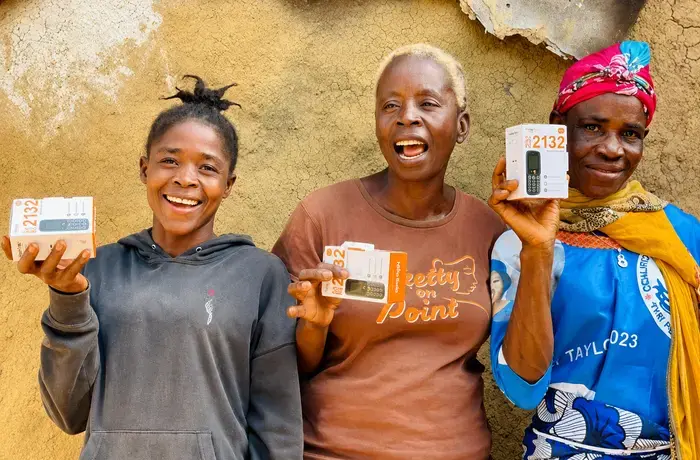
Ma Nowai Kaine (centre) and two other women from Sargent Kollie Town, Bong County, Liberia, hold mobile phones received through the D4WEE Project, implemented by UN Women with support from the Orange Foundation. Photo: UN Women/Aisha Kolubah.
Feature

For rural women in Liberia, digital and economic empowerment go hand-in-hand

1 October 2026
For rural women in Liberia, digital and economic empowerment go hand-in-hand
Image
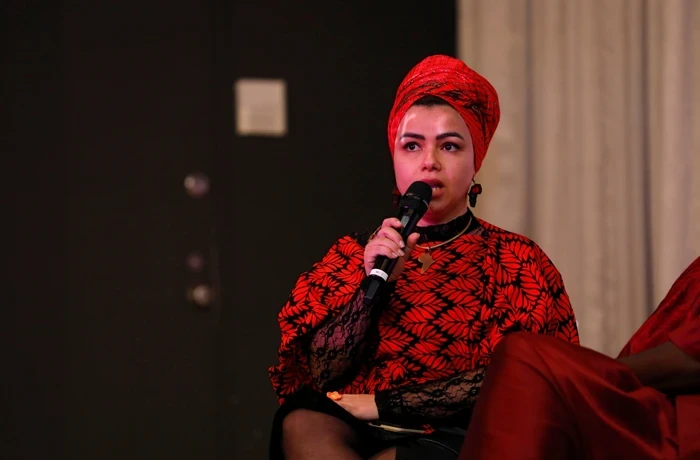
A young woman speaks into a microphone
News

UN Women Leaders Network champions intergenerational leadership at UNGA81

25 September 2026
UN Women Leaders Network champions intergenerational leadership at UNGA81
Image
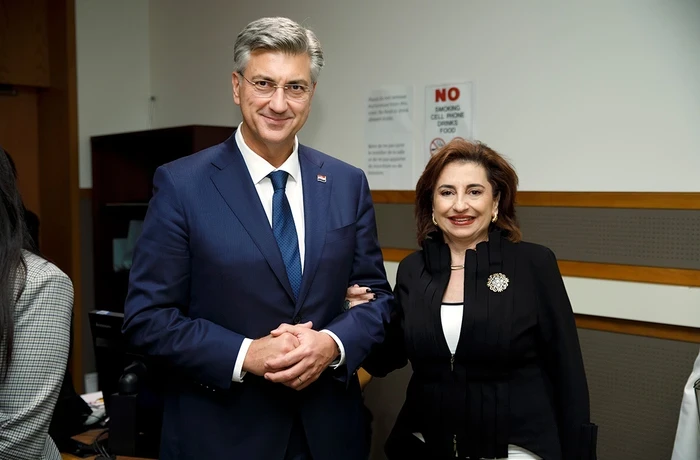
UN Women Executive Director Sima Bahous poses with the Prime Minister of Croatia at an indoor event.
News

Governments, civil society, and private sector call for coordinated action to end technology-facilitated violence against women and girls

25 September 2026
Governments, civil society, and private sector call for coordinated action to end technology-facilitated violence against women and girls

Footer menu-HQ

  • News and stories
  • Resources
  • What we do
  • How we work
  • Where we are
  • Partnerships
  • Employment
  • Procurement
  • Contact us
  • Executive Board
  • Commission on the Status of Women

Donate button menu [Footer tablet]

  • Donate

Donate button menu [Footer]

  • Donate

Social media menu

  • Facebook
  • Twitter
  • LinkedIn
  • Flickr
  • YouTube
  • Instagram
UN Women - For all women and girls

Footer bottom [Menu]

  • Copyright
  • Information security
  • Privacy notice
  • Report wrongdoing
  • Terms of use
Share this page
  • Share to Facebook
  • Share to Twitter
  • Share to LinkedIn
  • Share to E-mail

Or copy link