Universal menu

  • Global
  • Regions
    • Africa
    • Americas and the Caribbean
    • Arab States
    • Asia and the Pacific
    • Europe and Central Asia
  • Knowledge
  • Data
  • Training
  • Transparency
UN Women - For all women and girls

Main Navigation-HQ

  • Who we are
    • About us
      • About UN Women
      • Business model
      • Guiding documents
      • Worldwide presence
    • Leadership
      • Governance structure
      • Executive leadership
      • Executive Board
      • Accountability
    • Work with us
      • Employment
      • Procurement
      • Calls for proposals
      • Contact us
      • UN Women Strategic Plan 2026–2029
      • UN Women Strategic Plan 2026–2029 - social media image
        UN Women Strategic Plan 2026–2029
  • What we do
    • Focus areas
      • Ending violence against women
      • Peace and security
      • Humanitarian action
      • Leadership and governance
      • Economic empowerment
      • Innovation and technology
      • Women with disabilities
      • Youth
      • HIV and AIDS
    • How we work
      • 2030 Agenda for Sustainable Development
      • Commission on the Status of Women
      • Gender parity in the UN system
      • Intergovernmental support
      • Partnerships
      • Research and data
      • Training Centre
      • Trust funds
      • UN system coordination
      • Gender Equality Accelerators
      • Gender Equality Accelerators artwork
        Gender Equality Accelerators
  • News and stories
    • Latest
      • News
      • Articles and explainers
      • In focus
    • Media center
      • Press materials
      • Media contacts
      • Explainer: Why are women so exhausted? Care work and the mental load
      • Two adults stand at a table changing diapers on baby dolls, with laundry hanging on a clothesline behind them in a home setting.
        Explainer: Why are women so exhausted? Care work and the mental load
      • Press release: Aid cuts dismantle women’s organizations working in humanitarian crises
      • A young Ugandan woman sits with another local woman to talk
        Press release: Aid cuts dismantle women’s organizations working in humanitarian crises
  • Digital library
    • Resources
      • Publications
      • Annual reports
      • Gender snapshot
      • Progress of the world’s women
      • World survey on the role of women in development
    • GenderTerm
      • GenderTerm
      • Reprint permissions
      • UN Women Highlights 2025–2026
      • A smiling woman.
        UN Women Highlights 2025–2026
      • Gender snapshot 2026
      • A diverse group of people represented as simplified silhouettes, arranged against a dark blue background.
        Gender snapshot 2026
  • Get involved
    • How to get involved
      • For ALL Women and Girls
      • International Women's Day
      • 16 Days of Activism to End Violence against Women and Girls
      • UNiTE! Campaign to End Violence against Women
      • Generation Equality
      • He for She
Ask AI
https://84e5cfacd5c7e99f9825edf344450c.1b.environment.api.powerplatform.com/powervirtualagents/botsbyschema/crad4_websiteQA/directline/token?api-version=2022-03-01-preview
1
-
Ask your question here
AI website assistant

Hello, how can I assist you?

AI chatbot responses may be incorrect. Always verify important information.

Donate button menu

Donate

Breadcrumb

  1. Home
  2. News and stories
  3. Press release

Website survey

We want to know how we can improve your experience on this website. Completing this survey takes less than 5 minutes.

TAKE THE SURVEY
Press release

Middle East escalation could leave 11.7 million more women and girls facing food insecurity by end-2026

Disruption to the Strait of Hormuz is driving up food prices and putting further strain on the livelihoods and household resources of millions of women and girls, according to a new UN Women analysis.

2 October 2026
  • Share to Facebook
  • Share to Twitter
  • Share to LinkedIn
  • Share to E-mail

Geneva – An additional 11.7 million women and girls could face food insecurity by the end of 2026, as the escalation in the Middle East and disruption to the Strait of Hormuz drive up food prices and strain livelihoods and household resources, according to a new UN Women analysis published today.

“Food security risks of the Middle East escalation for women and girls” finds that women and girls account for 53 per cent of the projected 22 million additional people who could face food insecurity by the end of the year across 28 countries analyzed. This is in addition to an estimated 208 million women and girls who were already food insecure or undernourished in these countries. These are scenario-based estimates, not forecasts.

“We know, as a matter of fact, that when food becomes scarce, women eat less and last. They often shift to less nutritious diets or skip meals altogether to prioritize the needs of others. Gender inequalities dictate who has access to food and the resources to obtain it. Therefore, investing in women and girls is a sure way of ensuring the well-being of families and communities,” said UN Women Deputy Executive Director Nyaradzayi Gumbonzvanda.

Disruptions to shipping through the Strait of Hormuz are driving up energy, fertilizer and transport costs, pushing up food prices. Combined with potential income and livelihood losses, these rising costs could make food harder to afford. For many women, existing inequalities in employment and access to financial services leave them with fewer resources to absorb these shocks.

More populous countries were found to have the largest numbers of women and girls who could face food insecurity. However, countries such as South Sudan, Sudan, Haiti, Yemen and Palestine face more concentrated risks, as multiple sources of vulnerability overlap.

In South Sudan, the additional number of women and girls who could face food insecurity represents around 14 per cent – or one in seven – of the South Sudanese female population – the highest proportion across the countries analyzed. In Lebanon, the additional number of women and girls who could face food insecurity represents nearly 4 per cent of the Lebanese female population, the second-highest proportion.

In many countries, women and girls make up a higher proportion of people who could face food insecurity. For example, in Afghanistan, women and girls are estimated to make up 60 per cent of people who could face food insecurity; in Yemen, more than 57 per cent; and in Sudan, nearly 56 per cent.

Employment also affects food security. In Egypt, Iraq, Palestine, Sudan and Syria, around 80 per cent of women are outside the labour force. In Afghanistan and Yemen, this rises to around 95 per cent, the report notes. Among employed women, more than 80 per cent are in vulnerable employment in Afghanistan, Burkina Faso, Ethiopia, Haiti, Mali and South Sudan.

According to the analysis, access to financial services could provide a buffer, but many women lack access to these services. In Iraq, Lebanon, Pakistan and Yemen, fewer than one in five women owns a bank or mobile money account. This can limit women’s ability to save, receive remittances or cash assistance, or borrow safely when prices rise or incomes fall, increasing reliance on informal lenders, relatives or other household members and potentially putting their safety and protection at risk.

UN Women calls for an integrated response that combines food and cash assistance with nutrition, protection, livelihoods and agricultural support, while ensuring women can access land, credit, services and other productive assets. It also urges resources to be targeted to places where women and girls face multiple, overlapping risks, and delivered at the right time – including ahead of agricultural seasons. Better data are needed to identify where food insecurity is worsening and who is eating less, losing livelihoods, taking on more unpaid care work, or facing heightened nutrition and protection risks within households.

UN Women joins the calls for de-escalation and respect for international law and echoes the Secretary-General’s call to all concerned parties to work towards diplomatic solutions that advance regional and international peace and security.

About UN Women

UN Women exists to advance women’s rights, gender equality and the empowerment of all women and girls. As the lead United Nations entity on gender equality, we shift laws, institutions, social norms and services to close the gender gap and build an equal world for all women and girls. We keep the rights of women and girls at the centre of global progress – always, everywhere. Because gender equality is not just what we do. It is who we are.

Contact

Contact the UN Women Media Team at [ Click to reveal ]  

Gender alert: Food security risks of the Middle East escalation for women and girls

Publication cover.
Read the report
Download

Topics

  • Economic empowerment
  • Macroeconomic policies
  • Food security
  • Humanitarian action
  • Peace and security
  • Conflict, war
  • Africa
  • Arab States/North Africa
  • Latin America and the Caribbean
  • Afghanistan
  • Burkina Faso
  • Ethiopia
  • Haiti
  • Iraq
  • Lebanon
  • Mali
  • Pakistan
  • Palestine, State of
  • South Sudan
  • Sudan
  • Yemen

Related content

Image
UNWomen_Placeholder
Press briefing

Middle East escalation threatens food security for an additional 11.7 million women and girls by the end of 2026

2 October 2026
Middle East escalation threatens food security for an additional 11.7 million women and girls by the end of 2026
Image
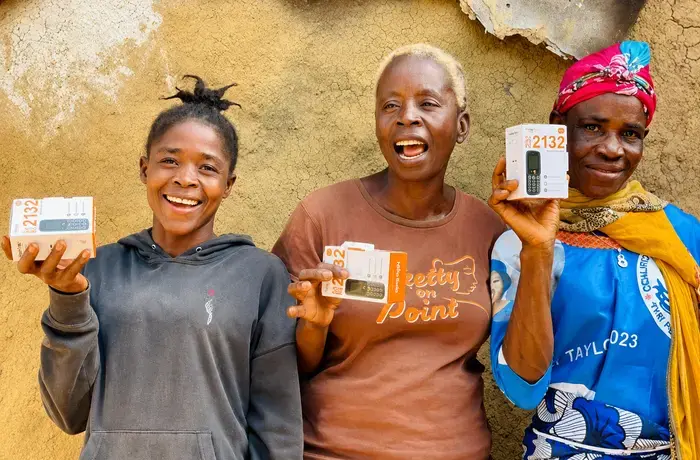
Ma Nowai Kaine (centre) and two other women from Sargent Kollie Town, Bong County, Liberia, hold mobile phones received through the D4WEE Project, implemented by UN Women with support from the Orange Foundation. Photo: UN Women/Aisha Kolubah.
Feature

For rural women in Liberia, digital and economic empowerment go hand-in-hand

1 October 2026
For rural women in Liberia, digital and economic empowerment go hand-in-hand
Image
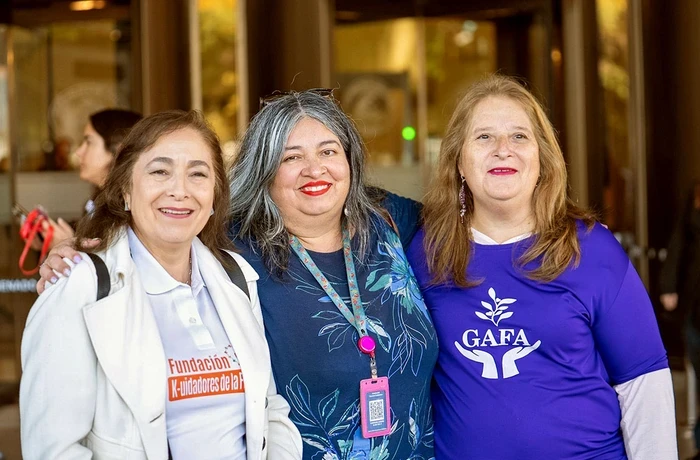
Three women pose together outside a building, with two wearing purple shirts featuring organization logos.
Feature

We need better care policies. But where do we start?

30 September 2026
We need better care policies. But where do we start?

Footer menu-HQ

  • News and stories
  • Resources
  • What we do
  • How we work
  • Where we are
  • Partnerships
  • Employment
  • Procurement
  • Contact us
  • Executive Board
  • Commission on the Status of Women

Donate button menu [Footer tablet]

  • Donate

Donate button menu [Footer]

  • Donate

Social media menu

  • Facebook
  • Twitter
  • LinkedIn
  • Flickr
  • YouTube
  • Instagram
UN Women - For all women and girls

Footer bottom [Menu]

  • Copyright
  • Information security
  • Privacy notice
  • Report wrongdoing
  • Terms of use
Share this page
  • Share to Facebook
  • Share to Twitter
  • Share to LinkedIn
  • Share to E-mail

Or copy link