Universal menu

  • Global
  • Regions
    • Africa
    • Americas and the Caribbean
    • Arab States
    • Asia and the Pacific
    • Europe and Central Asia
  • Knowledge
  • Data
  • Training
  • Transparency
UN Women - For all women and girls

Main Navigation-HQ

  • Who we are
    • About us
      • About UN Women
      • Business model
      • Guiding documents
      • Worldwide presence
    • Leadership
      • Governance structure
      • Executive leadership
      • Executive Board
      • Accountability
    • Work with us
      • Employment
      • Procurement
      • Calls for proposals
      • Contact us
      • UN Women Strategic Plan 2026–2029
      • UN Women Strategic Plan 2026–2029 - social media image
        UN Women Strategic Plan 2026–2029
  • What we do
    • Focus areas
      • Ending violence against women
      • Peace and security
      • Humanitarian action
      • Leadership and governance
      • Economic empowerment
      • Innovation and technology
      • Women with disabilities
      • Youth
      • HIV and AIDS
    • How we work
      • 2030 Agenda for Sustainable Development
      • Commission on the Status of Women
      • Gender parity in the UN system
      • Intergovernmental support
      • Partnerships
      • Research and data
      • Training Centre
      • Trust funds
      • UN system coordination
      • Gender Equality Accelerators
      • Gender Equality Accelerators artwork
        Gender Equality Accelerators
  • News and stories
    • Latest
      • News
      • Articles and explainers
      • In focus
    • Media center
      • Press materials
      • Media contacts
      • Explainer: Why are women so exhausted? Care work and the mental load
      • Two adults stand at a table changing diapers on baby dolls, with laundry hanging on a clothesline behind them in a home setting.
        Explainer: Why are women so exhausted? Care work and the mental load
      • Press release: Aid cuts dismantle women’s organizations working in humanitarian crises
      • A young Ugandan woman sits with another local woman to talk
        Press release: Aid cuts dismantle women’s organizations working in humanitarian crises
  • Digital library
    • Resources
      • Publications
      • Annual reports
      • Gender snapshot
      • Progress of the world’s women
      • World survey on the role of women in development
    • GenderTerm
      • GenderTerm
      • Reprint permissions
      • UN Women Highlights 2025–2026
      • A smiling woman.
        UN Women Highlights 2025–2026
      • Gender snapshot 2026
      • A diverse group of people represented as simplified silhouettes, arranged against a dark blue background.
        Gender snapshot 2026
  • Get involved
    • How to get involved
      • For ALL Women and Girls
      • International Women's Day
      • 16 Days of Activism to End Violence against Women and Girls
      • UNiTE! Campaign to End Violence against Women
      • Generation Equality
      • He for She
Ask AI
https://84e5cfacd5c7e99f9825edf344450c.1b.environment.api.powerplatform.com/powervirtualagents/botsbyschema/crad4_websiteQA/directline/token?api-version=2022-03-01-preview
1
-
Ask your question here
AI website assistant

Hello, how can I assist you?

AI chatbot responses may be incorrect. Always verify important information.

Donate button menu

Donate

Breadcrumb

  1. Home
  2. News and stories
  3. Press release

Website survey

We want to know how we can improve your experience on this website. Completing this survey takes less than 5 minutes.

TAKE THE SURVEY
Press release

UN Women welcomes the adoption of the Belém Gender Action Plan and urges its effective implementation

22 November 2025
  • Share to Facebook
  • Share to Twitter
  • Share to LinkedIn
  • Share to E-mail

Belém, Brazil - UN Women welcomes today’s outcome at COP30 and, in particular, the adoption of the Belém Gender Action Plan (GAP) as a blueprint for action in the next nine years. This is a crucial step forward that keeps gender equality at the centre of the climate agenda – and is fundamental to delivering tangible results for all women and girls on the front lines of the climate crisis.

Image
960x640 Foto Raimundo Pacco/COP30
Photo: COP30/Raimundo Pacco

The decision introduces important elements on health, violence against women and girls and protection mechanisms for women environmental defenders, care work, decent work and quality jobs, and socially just transitions. It includes the recognition of the intersectional factors that shape the realities of women with disabilities, Indigenous women, women from rural and remote communities, and women and girls of African descent. 

To ensure its effective success, it is critical that the GAP implementation will be firmly anchored in human rights principles, with adequate and well-defined provisions for means of implementation, including finance, technology and capacity building.

“UN Women stands ready to work with all Parties and relevant stakeholders to bridge the gaps, so the Gender Action Plan becomes a tool for inclusive, effective and sustainable implementation for gender-responsive climate action that benefit women and girls in all their diversity,” said Sarah Hendriks, Director of the Policy, Programme and Intergovernmental Division, UN Women.

For media enquiries, please contact the UN Women Media Team at [ Click to reveal ]

About UNFCCC Gender Action Plan (GAP)

The Gender Action Plan (GAP) is a guidance document that outlines activities across five priority areas – capacity-building, knowledge management and communication; gender balance, participation and women’s leadership; coherence; gender-responsive implementation and means of implementation; and monitoring and reporting – and serves as a framework for implementing gender-responsive climate action and its coherent mainstreaming at all levels. It recognizes that climate change impacts are not gender neutral and that inclusive, equitable responses are essential for effective climate governance – ensuring policies designed for climate mitigation, adaptation, finance, technology, capacity-building and transparency all serve to promote women’s full, meaningful and equal participation and leadership.

About UN Women

UN Women exists to advance women’s rights, gender equality and the empowerment of all women and girls. As the lead UN entity on gender equality, we shift laws, institutions, social behaviours and services to close the gender gap and build an equal world for all women and girls. We keep the rights of women and girls at the centre of global progress – always, everywhere. Because gender equality is not just what we do. It is who we are.

Gender-responsive climate and environmental action

Across the Rio Conventions, UN Women is working towards greater gender equality and a safer, healthier planet for all.
Learn more
Image
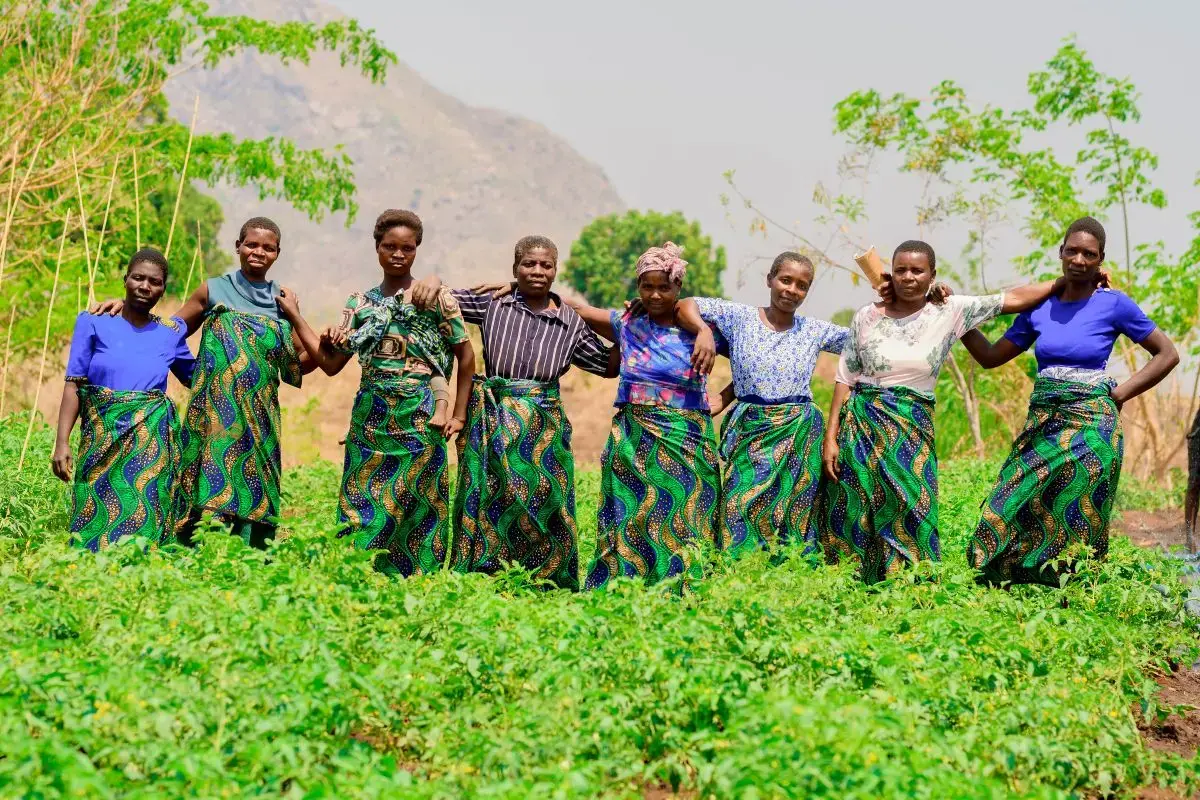
Eight women farmers stand proudly in their tomato field

Topics

  • 2030 Agenda for Sustainable Development
  • Sustainable Development Goals (SDGs)
  • Climate change

Related content

Image
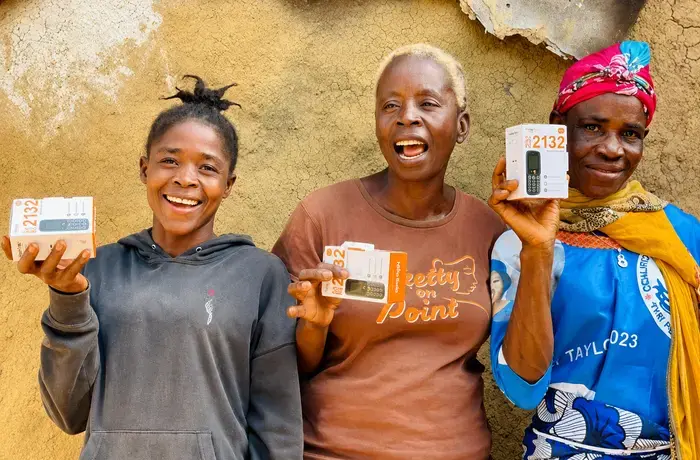
Ma Nowai Kaine (centre) and two other women from Sargent Kollie Town, Bong County, Liberia, hold mobile phones received through the D4WEE Project, implemented by UN Women with support from the Orange Foundation. Photo: UN Women/Aisha Kolubah.
Feature

For rural women in Liberia, digital and economic empowerment go hand-in-hand

1 October 2026
For rural women in Liberia, digital and economic empowerment go hand-in-hand
Image
Five women chefs stand together, arms folded, and pose for a photo
Feature

One month after the Nepal floods, women are running community kitchens, feeding their communities, and rebuilding their lives

25 September 2026
One month after the Nepal floods, women are running community kitchens, feeding their communities, and rebuilding their lives
Image
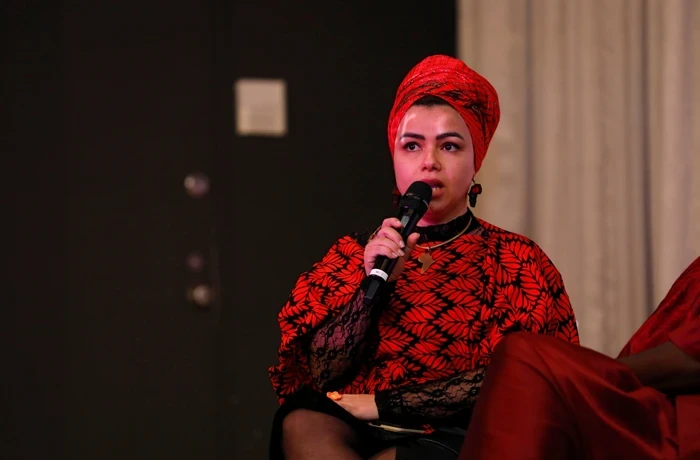
A young woman speaks into a microphone
News

UN Women Leaders Network champions intergenerational leadership at UNGA81

25 September 2026
UN Women Leaders Network champions intergenerational leadership at UNGA81

Footer menu-HQ

  • News and stories
  • Resources
  • What we do
  • How we work
  • Where we are
  • Partnerships
  • Employment
  • Procurement
  • Contact us
  • Executive Board
  • Commission on the Status of Women

Donate button menu [Footer tablet]

  • Donate

Donate button menu [Footer]

  • Donate

Social media menu

  • Facebook
  • Twitter
  • LinkedIn
  • Flickr
  • YouTube
  • Instagram
UN Women - For all women and girls

Footer bottom [Menu]

  • Copyright
  • Information security
  • Privacy notice
  • Report wrongdoing
  • Terms of use
Share this page
  • Share to Facebook
  • Share to Twitter
  • Share to LinkedIn
  • Share to E-mail

Or copy link